
How the GOLFJOY Rigel 2 Transforms Home Putting Practice With Real Data
Most golfers spend the majority of their practice time on the range — and lose the most strokes on the greens. The short game is where scores are made or broken, and it's also where feel-based practice has the biggest ceiling. The GOLFJOY Rigel 2 changes that by bringing the same data-driven precision to your putting that tour players have always had access to.
What Makes the Rigel 2 Different for Home Practice
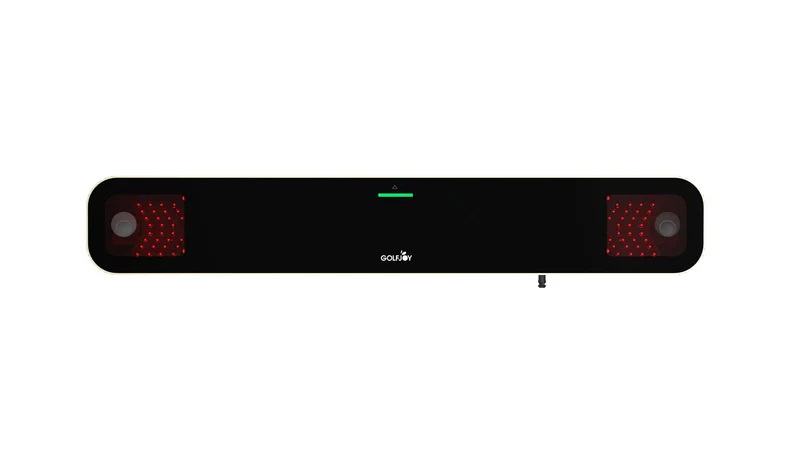
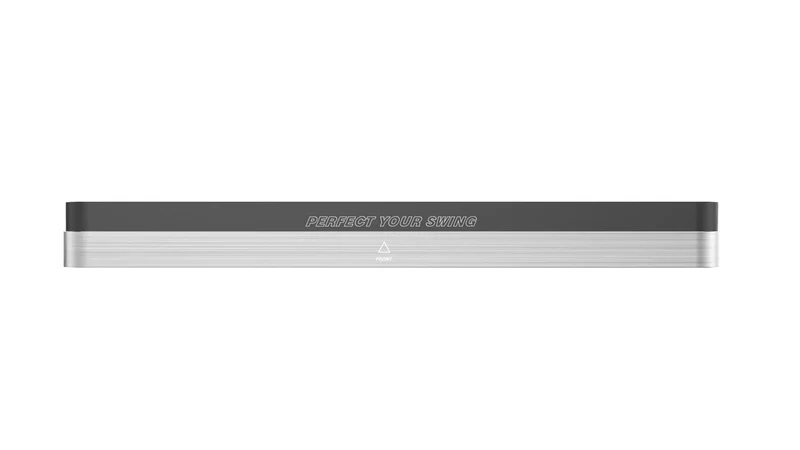
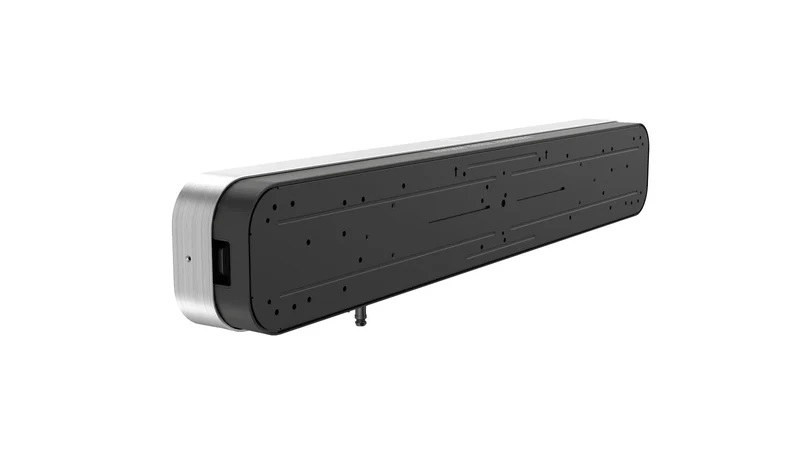
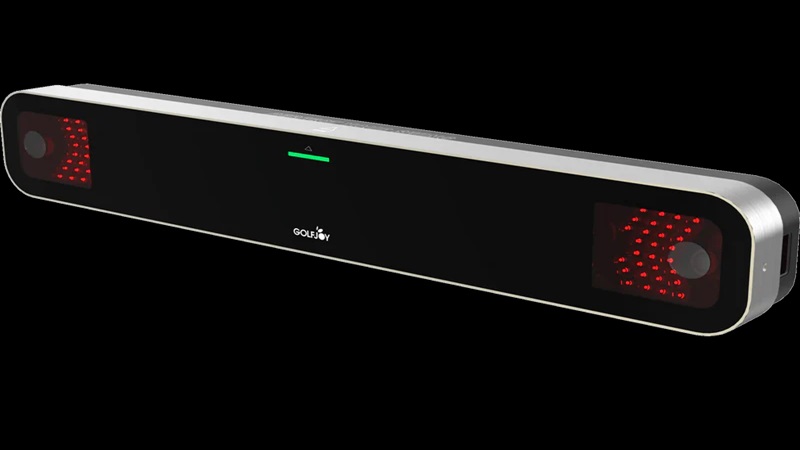
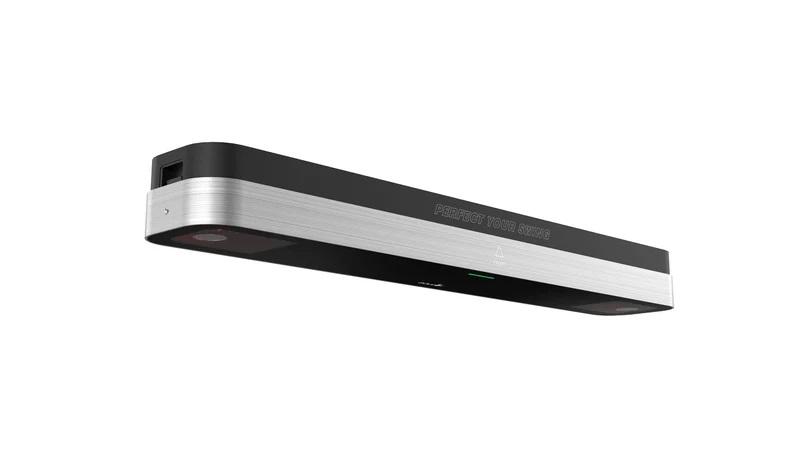
The Rigel 2 is a next-generation overhead launch monitor built for dedicated indoor golf bays. Mounted above the hitting area using aerospace-grade aluminum construction, it uses dual high-speed cameras to capture 32 essential golf metrics on every shot — club speed, ball speed, spin rate, launch angle, face angle, attack angle, carry distance, and more. Because it's overhead and completely out of the hitting area, there's nothing to trip over, knock out of position, or work around between shots.
That unobtrusive design pays off especially in putting practice. There's no side-mounted device to reposition, no cables crossing your line. You set up on your putting mat, stroke the ball, and the data appears immediately in your connected software or app. The Rigel 2's wide detection zone means you don't need to precisely replace the ball for every putt — the flow of practice stays intact.
Why Data-Driven Putting Practice Actually Works
Putting improvement is notoriously difficult because the feedback loop is so imprecise. The ball either goes in or it doesn't, and when it doesn't, most golfers guess at why — was it the line? The speed? Face angle at impact? A slight path issue?
The Rigel 2 answers all of those questions simultaneously. Launch direction tells you whether your face was square at impact. Spin rate reveals whether you're imparting consistent forward roll or creating unpredictable skid. Impact position data shows whether you're striking the sweet spot reliably. Over multiple sessions, patterns emerge — and patterns are fixable in ways that individual misses are not.
That feedback loop accelerates improvement faster than any number of practice strokes on a carpet without data. You stop practicing feel and start practicing facts.
Setting Up for the Best Results
To get consistent, accurate data from the Rigel 2 during putting sessions, a few setup details matter:
- Ceiling height: The Rigel 2 is optimized for ceiling heights between 9.2ft and 11.5ft — which covers most dedicated home golf rooms and finished basements
- Surface consistency: Use a quality putting mat with consistent speed to ensure your metrics reflect your stroke, not surface variability
- Lighting: Avoid direct glare into the cameras — consistent ambient lighting gives the cleanest data, especially on slower putts where ball speed is lower
- Calibration: Periodically validate known-distance putts to confirm the system is reading accurately for your specific setup
The Metrics That Move Your Putting Forward
When you practice putting with the Rigel 2, focus on the numbers that directly drive improvement:
- Launch direction: Is your ball starting on the line you intended? Even a 1° deviation misses a 6-foot putt
- Face angle at impact: The root cause of most directional misses — the data tells you immediately
- Spin rate and axis: Consistent forward roll improves pace control dramatically; side spin reveals path issues
- Impact position: Are you consistently striking the sweet spot, or drifting toward the toe or heel?
Comparing what a putt felt like to what the data actually shows is often the single most instructive moment in a practice session. The gap between feel and reality is exactly where handicaps hide.
Building a Practice Routine That Actually Sticks
The most effective way to use the Rigel 2 for putting improvement is to build structured sessions rather than hitting putts randomly. Start with a benchmark — 10 putts from 6 feet, tracking launch direction and face angle. Record your baseline numbers. Then work on a specific variable — squaring the face, improving your path, or building pace consistency — and track how the metrics respond over time.
Week over week, the data builds into a genuine picture of your progress. You're not guessing whether you're getting better. You know.
From Your Basement to the 18th Green
The putts you make on Saturday don't come from Saturday's warm-up. They come from the structured, data-backed sessions you put in during the week — in your basement, your garage, or your home golf room. The Rigel 2 makes those sessions worth something by turning every stroke into a data point and every session into measurable progress.
If you're serious about lowering your scores, the short game is where it happens. And the Rigel 2 is how you get there with purpose.